A Guide to Customizing Stand-Up Pouches and Eight-Side Seal Bags
Introduction:
- Briefly introduce the importance of packaging in product marketing.
- Highlight the increasing popularity of flexible packaging like stand-up pouches and eight-side seal bags.
- State the purpose of the blog post: to guide readers through the process of customizing these bags, starting with shape selection.
Body:
- Why Customize?
- Brand differentiation.
- Enhanced shelf appeal.
- Specific functionality needs (e.g., resealable, easy-tear).
- Targeting specific consumer preferences.
- Choosing the Right Bag Shape: (This is the core focus)
- Stand-Up Pouches:
- Describe stand-up pouches: their characteristics, popularity, and common uses.
- Discuss the pros: stability, shelf presence, resealability options.
- Considerations: product type (liquids, solids, powders), target audience, desired image (modern, convenient).
- Ideal for: snacks, coffee, pet food, detergents, etc.
- Eight-Side Seal Bags (Flat Bottom Pouches):
- Describe eight-side seal bags: their structure, premium look, and advantages.
- Discuss the pros: excellent stability, maximized volume, superior shelf appeal, branding opportunities on all sides.
- Considerations: higher cost, suitability for heavier products, premium branding.
- Ideal for: coffee, tea, protein powders, high-end snacks, premium products.
- Factors to Consider When Choosing:
- Product weight and volume.
- Shelf space and display requirements.
- Target audience and brand positioning.
- Budget.
- Sustainability goals (material choices influence shape).
- Stand-Up Pouches:
- Beyond Shape: Customization Options
- Material Selection (briefly):
- Explain the basics of composite materials (layers, functions).
- Mention common materials like PET, PE, aluminum foil, paper.
- Link material choice to product protection and shelf life.
- Printing and Design:
- Importance of high-quality printing.
- Options: rotogravure, digital printing.
- Design elements: colors, fonts, imagery, branding.
- Features and Add-ons:
- Zippers (various types).
- Spouts (for liquids).
- Handles.
- Tear notches.
- Degassing valves (for coffee).
- Material Selection (briefly):
- The Customization Process:
- Finding a reputable packaging supplier.
- Discussing your needs and goals.
- Artwork and design approval.
- Prototyping and testing.
- Production and delivery.
Conclusion:
- Reiterate the benefits of customized packaging.
- Encourage readers to carefully consider their options and invest in quality packaging.
- Call to action: Contact a packaging expert for assistance.
Now, let’s generate some search queries to ensure the blog post is accurate and up-to-date.
Okay, based on the search results, here’s a draft blog post. I’ve incorporated information from the search to make it more comprehensive and accurate.
Shape Your Success: A Guide to Customizing Stand-Up Pouches and Eight-Side Seal Bags
In today’s competitive market, packaging is more than just a container; it’s a powerful tool for brand communication and product differentiation. Eye-catching packaging can significantly influence consumer purchasing decisions. Among the various packaging options available, flexible packaging, particularly stand-up pouches (SUPs) and eight-side seal bags (also known as flat bottom pouches), have gained immense popularity due to their versatility, cost-effectiveness, and shelf appeal. If you’re looking to make your product stand out, customizing your packaging is a crucial step. This guide will walk you through the process of customizing stand-up pouches and eight-side seal bags, starting with the fundamental decision: choosing the right bag shape.
Why Customize?
Customizing your packaging offers a multitude of benefits:
- Brand Differentiation: Stand out from the competition with unique designs and features that reflect your brand identity.
- Enhanced Shelf Appeal: Attract consumer attention with visually appealing packaging that grabs their eye on the shelf.
- Specific Functionality Needs: Incorporate features like resealable zippers, easy-tear notches, or spouts to meet specific product requirements and consumer needs.
- Targeting Specific Consumer Preferences: Tailor your packaging design and features to resonate with your target audience’s values and preferences.
Choosing the Right Bag Shape
The shape of your packaging plays a crucial role in its functionality and visual appeal. Let’s explore the two primary options:
- Stand-Up Pouches (SUPs):
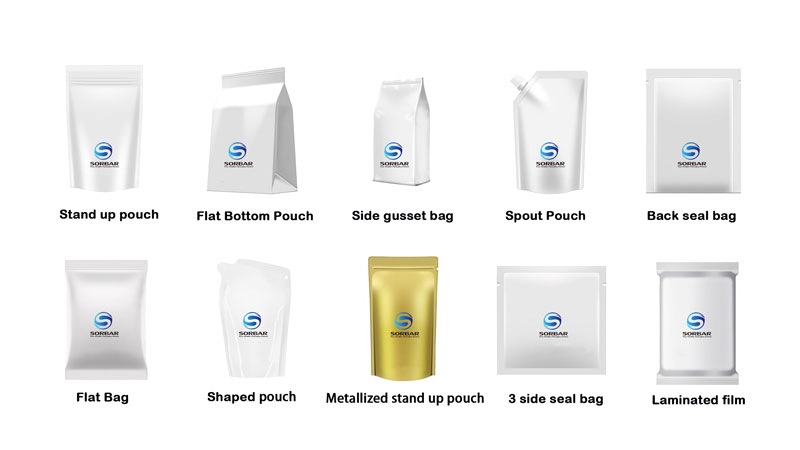
- What are they? Stand-up pouches are characterized by their ability to stand upright on shelves due to a gusset at the bottom. They are lightweight, flexible, and made of multiple layers to protect the product inside.
- Pros:
- Excellent stability (due to the gusseted bottom).
- Good shelf presence, maximizing visibility.
- Various resealability options (zippers, closures).
- Relatively cost-effective compared to other options. SUPs generally use less material than flat bottom pouches, making them a more affordable choice.
- Considerations:
- The gusseted bottom, while providing stability, can limit the printable surface area compared to flat-bottom pouches.
- Consider the product type: liquids, solids, and powders all work well in SUPs.
- Think about the desired image: SUPs project a modern, convenient feel.
- Ideal for: Snacks, coffee, pet food, detergents, cosmetics, and a wide array of other products. They are particularly well-suited for products in the food, beverage, cosmetic, pharmaceutical, and retail industries. Stand-up pouches are versatile in terms of product compatibility, with the expandable gusset adapting to various shapes and sizes.
- Eight-Side Seal Bags (Flat Bottom Pouches):
- What are they? Also known as flat bottom pouches or square bottom bags, these bags have a distinct flat base and vertical side gussets, providing exceptional stability. The “eight-side seal” refers to the eight edges created by the seals on the bag (four at the bottom, two on the lower sides and two on top).
- Pros:
- Superior stability, allowing them to stand perfectly upright.
- Maximized volume, enabling you to pack more product.
- Premium look and feel, conveying a sense of quality.
- Excellent branding opportunities: five display surfaces (front, back, top, bottom, and sides) provide ample space for graphics and marketing messages.
- Larger opening, potentially making them easier to fill.
- Considerations:
- Generally more expensive than stand-up pouches due to the more complex construction.
- Best suited for heavier products that benefit from a stable base.
- They are associated with premium branding.
- Ideal for: Coffee, tea, protein powders, high-end snacks, premium products, and items where shelf presence and a high-quality image are paramount.
- Key Factors to Consider When Choosing:
- Product Weight and Volume: Heavier, bulkier items often benefit from the stability of eight-side seal bags.
- Shelf Space and Display Requirements: Consider how the bags will be displayed in retail environments. Will they be standing on a shelf, hanging from a peg, or displayed in a carton?
- Target Audience and Brand Positioning: Align your packaging choice with your target demographic and the overall brand image you want to project. Do you want to appear budget-friendly or high-end?
- Budget: Balance your desired features with your budget constraints. Eight-side seal bags typically command a higher price point.
- Sustainability Goals: Consider the environmental impact of your packaging. Material choices will influence the shape and recyclability.
Beyond Shape: Customization Options
Once you’ve selected the ideal bag shape, a world of customization possibilities opens up:
- Material Selection:
- Composite materials are key: These involve combining two or more layers of different materials (plastic, aluminum, paper) to achieve specific barrier properties. The combination gives effective resistance to moisture, light, and oxygen, protecting the product’s quality.
- Common materials: PET (polyethylene terephthalate), PE (polyethylene), aluminum foil, kraft paper, and BOPP (Biaxially Oriented Polypropylene).
- Material choice is crucial for product protection and shelf life.
- Printing and Design:
- High-quality printing is essential for brand communication.
- Options: Rotogravure (for high-volume, high-quality printing), flexography (another common method for food packaging), and digital printing (for smaller runs and more customization).
- Design elements: Colors, fonts, imagery, and branding should be consistent with your overall brand identity. Transparent windows can showcase the product inside. Metallic effects can add a premium touch.
- Features and Add-ons:
- Zippers (various types): Provide resealability and maintain product freshness.
- Spouts (for liquids): Offer convenient pouring and dispensing.
- Handles: Improve portability and consumer convenience.
- Tear notches: Enable easy opening.
- Degassing valves (for coffee): Allow CO2 to escape without letting oxygen in.
The Customization Process
Navigating the customization process effectively requires a strategic approach:
- Find a Reputable Packaging Supplier: Look for a supplier with experience in flexible packaging and a strong reputation for quality and customer service.
- Discuss Your Needs and Goals: Clearly communicate your product requirements, target audience, branding objectives, and budget to the supplier.
- Artwork and Design Approval: Ensure the supplier provides clear design templates and proofs for your review and approval.
- Prototyping and Testing: Request a prototype of your customized bag to assess its functionality, appearance, and performance.
- Production and Delivery: Once you’re satisfied with the prototype, proceed with production and arrange for timely delivery.
Conclusion
Customized packaging is a strategic investment that can significantly impact your brand’s success. By carefully considering your product’s needs, target audience, and brand identity, you can create stand-up pouches and eight-side seal bags that not only protect your product but also captivate consumers and drive sales. Don’t hesitate to consult with a packaging expert to explore the best options for your specific requirements. They can guide you through the material selection, design process, and customization features to create packaging that truly reflects your brand’s unique value proposition.
Written by

Comments are closed.