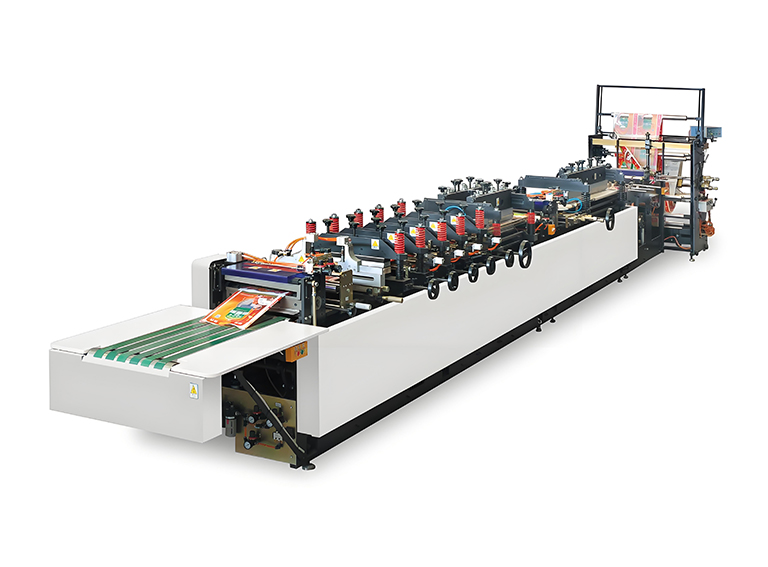
Food Packaging Seal Technology Deep Dive - Ensuring Product Safety
In the food packaging industry, sealing technology serves as the core element determining product quality, safety, and shelf life. As a packaging solutions provider with nearly a decade of professional experience, we deeply understand the critical importance of sealing technology for food enterprises. This article will provide an in-depth analysis of various sealing technologies to help food brands select the most suitable packaging solutions.
The Importance of Sealing Technology and Industry Challenges
The First Line of Defense for Food Safety
Sealing performance directly impacts food shelf life, taste, and nutritional value. Statistics show that global food losses due to poor packaging seals amount to billions of dollars annually. For our mid-sized food and beverage brand clients, a single seal failure could mean recalling an entire batch, resulting in losses often exceeding 10-20 times the initial packaging cost.
Core Pain Points Faced by Clients
Through our work serving clients in European and North American markets, we’ve identified these key challenges:
1. Regulatory compliance pressure: FDA and EU regulations have strict requirements for food packaging seal integrity
2. Cost control needs: Managing packaging costs while maintaining quality standards
3. Product differentiation: Enhancing brand competitiveness through packaging technology
4. Supply chain stability: Ensuring consistent sealing performance across batches
In-Depth Analysis of Mainstream Sealing Technologies
1. Heat Sealing Technology
Heat sealing is currently the most widely used sealing technology, creating bonds by heating packaging materials to their melting point.
Technical Specifications:
• Temperature control: Typically 140-220°C (284-428°F)
• Pressure application: 0.2-0.8 MPa (29-116 psi)
• Time control: 0.5-3 seconds
Case Study:
For a German organic food brand’s oatmeal stand-up pouches, we utilized a three-layer composite material (PET/AL/PE) with precise heat seal parameter control, achieving an 18-month shelf life with seal strength reaching 20N/15mm, fully meeting EU food safety standards.
Advantages:
• High seal strength
• Relatively low cost
• Mature and stable process
Limitations:
• High material requirements
• Strict temperature control precision needed
2. Cold Sealing Technology
Cold sealing technology requires no heating, achieving seals through pressure-activated adhesives.
Technical Advantages:
• Suitable for heat-sensitive products
• Low energy consumption
• Aesthetically pleasing seal appearance
Application Example:
A French chocolate brand faced summer product melting issues. We provided a cold seal composite bag solution with specialized cold seal adhesive, ensuring packaging integrity in high-temperature environments while maintaining brand image.
3. Zipper Sealing Systems
Reusable sealing systems that enhance the consumer user experience.
System Types:
• Press-to-close zippers
• Slider zippers
• Velcro-style closures
Success Story:
For an Australian nut brand’s stand-up pouch design, we integrated a high-performance PE zipper system. Seal testing showed maintained excellent seal integrity after 200 open-close cycles, significantly improving product convenience and repeat purchase rates.
Sealing Material Selection and Matching
Material Combination Strategy
Different product characteristics require corresponding material combinations. We’ve established a comprehensive material selection matrix:
High Barrier Requirements (Coffee, Tea):
• PET/Al/PE structure
• Oxygen transmission rate < 0.1 cc/m²/day
• Water vapor transmission rate < 0.1 g/m²/day
Medium Barrier Requirements (Dried Fruits, Snacks):
• PET/CPP or BOPP/VMCPP structure
• Oxygen transmission rate 1-10 cc/m²/day
Transparency Requirements (Fresh Foods):
• PET/CPP transparent structure
• Balancing barrier properties with display effectiveness
Sustainable Material Trends
With increasing sustainability requirements, we’ve developed multiple solutions for environmentally conscious clients:
Paper-Based Composite Materials:
• Target clients: European eco-friendly brands
• Structure: Paper/PE coating
• Compostable certification: Meets ASTM D6400 standards
Bio-Based Materials:
• PLA-based composite films
• Suitable for short shelf-life products
• Cost increase of 15-20% over traditional materials
Quality Control and Testing Systems
Sealing Performance Testing Methods
1. Seal Strength Testing
• Tensile testing: Determines maximum load capacity of sealed areas
• Standard requirement: Usually ≥15N/15mm
• Testing frequency: Random sampling per batch
2. Seal Integrity Testing
• Dye penetration method: Detects micro-leaks
• Bubble method: Pressurized testing in water
• Vacuum decay method: Precise leak rate measurement
Case Analysis:
For an Italian olive oil brand’s flexible packaging bags, over a 12-month shelf life test, seal integrity maintained 99.8%, exceeding client expectations.
Production Process Control Points
Critical Control Parameters:
• Seal temperature: ±2°C (±3.6°F) precision control
• Seal pressure: Real-time monitoring and feedback
• Seal time: Precise to 0.1 seconds
• Material tension: Prevents wrinkles affecting sealing
Cost Optimization Strategies
Structure Design Optimization
Through rational structure design, costs can be reduced while maintaining performance:
Case: US Organic Tea Brand Optimization
• Original design: 4-layer structure, cost $0.12/bag
• Optimized design: 3-layer structure, cost $0.085/bag
• Performance comparison: Shelf life optimized from 18 to 15 months, meeting client needs
• Cost savings: Annual packaging cost reduction of approximately $150,000
Volume Purchasing Strategy
We develop flexible purchasing strategies for clients:
• Quarterly orders: 10,000-50,000 units, 8-12% unit price optimization
• Annual partnerships: Orders >200,000 units, 15-20% unit price optimization
• Multi-SKU combinations: Reduces overall procurement costs
Key Considerations for Partner Selection
Technical Capability Assessment
Equipment Sophistication:
Our 5,000-square-meter facility is equipped with German-imported multifunctional seal testing equipment, capable of meeting testing requirements for different sealing technologies.
Complete Certification Systems:
• FDA Food Contact Material Certification
• EU Food Grade Material Compliance Certification
Service Capability Considerations
Response Speed:
We guarantee sample production within 7 business days, bulk production cycle of 15-20 days, with expedited service available for urgent orders.
No Minimum Order Restrictions:
Understanding the flexibility needs of small to medium-sized brands, we provide custom services starting from 1,000 units.
Conclusion and Recommendations
Sealing technology, as the core of food packaging, requires finding the optimal balance between safety, cost control, and user experience. Selecting appropriate sealing technology not only concerns product quality but directly impacts brand competitiveness and market performance.
Practical Recommendations:
1. Product Characteristics Analysis First: Choose appropriate sealing technology based on food type, shelf life requirements, and storage conditions
2. Supplier Technical Capability Assessment: Focus on equipment sophistication, quality control systems, and certification credentials
3. Long-Term Partnership Development: Achieve better pricing and service support through strategic cooperation
4. Continuous Optimization and Improvement: Regularly evaluate packaging performance and upgrade sealing technology when appropriate
As your trusted flexible packaging partner in China, we not only provide technologically advanced sealing solutions but, more importantly, understand your business needs and safeguard your brand’s success. For more professional advice on sealing technology, please contact our technical team for in-depth discussions.
Written by

You may also be interested in:
Comparison of Food Packaging Printing Processes: Digital Printing vs. Gravure Printing — Choosing the Best Solution for Your Brand
In the packaging industry, the choice of printing process directly impacts product market performance, cost control, and brand image. As a packaging solutions provider with nearly 10 years of industry
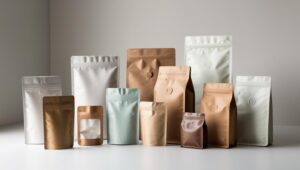
Advantages of stand up pouch in flexible packaging: a revolutionary solution to enhance shelf appeal
In today’s competitive retail market, packaging is more than just a tool to protect products It is the first point of contact between brands and your consumers. Stand-up pouches are
Guidelines for Selection of High Barrier Packaging Materials - Protecting Food Freshness
In the fast-moving food packaging industry, maintaining product freshness and prolonging shelf life is one of the core concerns of brand owners, and more importantly, it is the embodiment of

In-Depth Guide to Food-Grade Packaging Safety Standards: Understanding FDA and EU Approval Requirements
In the highly competitive world of food and beverage packaging, ensuring safety and compliance is critical. Brands targeting the European and North American markets must comply with stringent standards set